Introduction
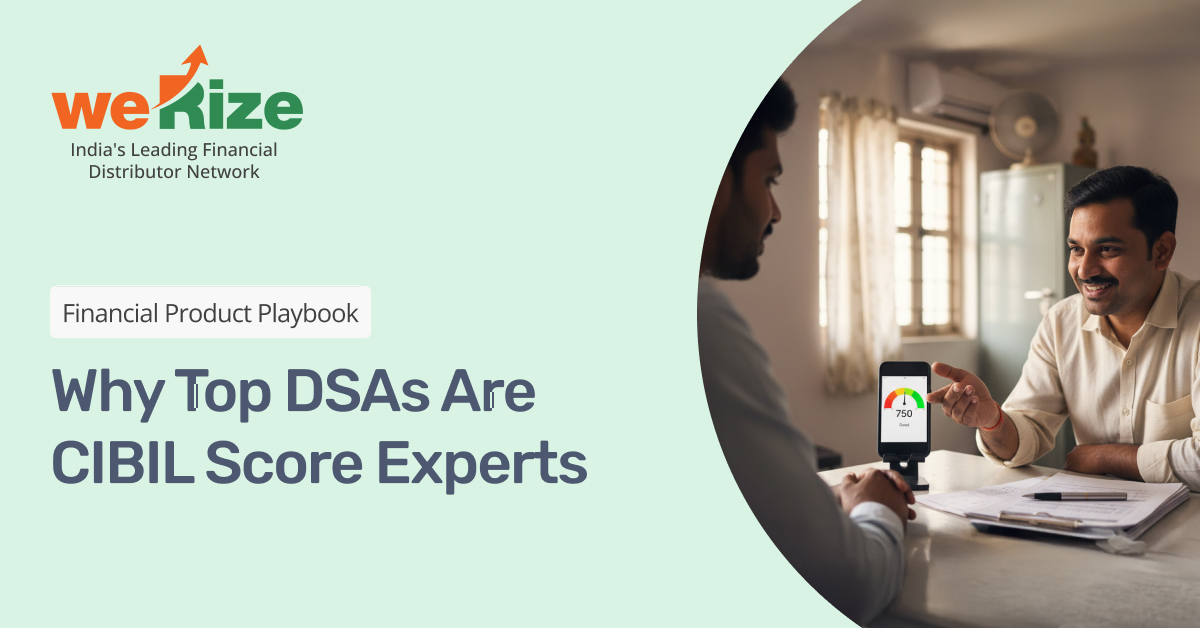
Understanding CIBIL Score for DSAs is essential for career success. Moreover, your credit score directly impacts your professional credibility. Maintaining good credit isn’t just personal; it’s a professional condition.
Lenders verify DSA credit scores during partnership applications. Additionally, poor credit raises red flags about financial responsibility. Therefore, your CIBIL score can make or break your DSA career.
In this comprehensive guide, you’ll understand the importance of the CIBIL Score for DSAs. Moreover, you’ll learn how credit affects partnerships and income. By the end, you’ll know exactly how to maintain excellent credit for professional success.
What is a CIBIL Score?
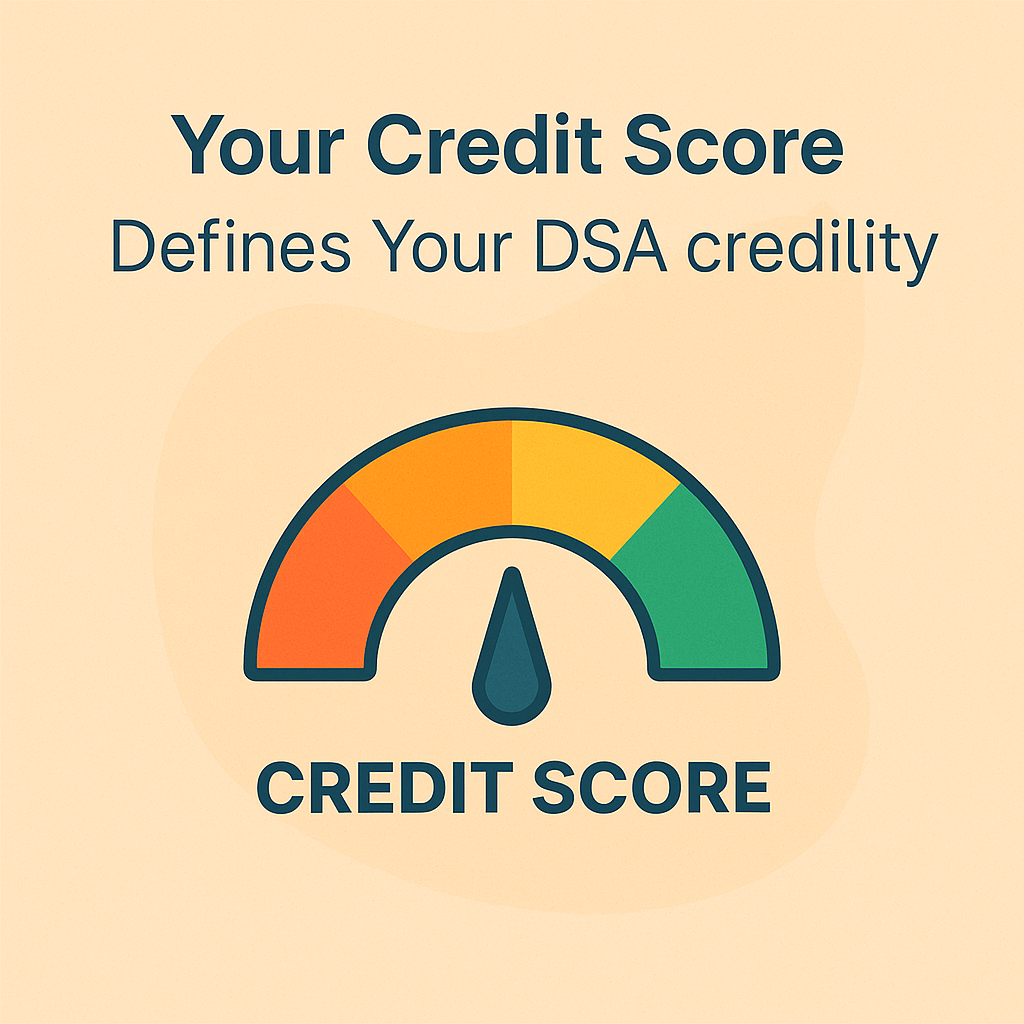
Before understanding its importance, let’s clarify what the CIBIL Score actually is.
Definition
CIBIL Score is a three-digit number ranging from 300 to 900. Moreover, it represents your creditworthiness and repayment behavior. Thus, higher scores indicate better credit management.
How It’s Calculated
- Payment History (35%): Timely payments boost scores significantly. Moreover, missed payments harm credit.
- Credit Utilization (30%): Using less than 30% of credit limits helps.
- Credit History Length (15%): Older accounts improve scores. Therefore, maintaining accounts has long-term benefits for you.
- Credit Mix (10%): Having various credit types (cards, loans) helps. Moreover, it shows diverse management capabilities.
- Recent Inquiries (10%): Too many applications harm scores. Therefore, selective applications are better.
Score Ranges
| Score Range | Credit Quality | Loan Approval Chances |
| 750-900 | Excellent | Very High |
| 650-749 | Good | High |
| 550-649 | Fair | Moderate |
| 300-549 | Poor | Very Low |
Why is CIBIL Score Important for DSAs?
The importance of understanding CIBIL Score for DSAs cannot be overstated. Moreover, it influences multiple aspects of your career.
- Partnership Approval
Most lenders check DSA credit scores during the application. Moreover, they want financially responsible partners. Therefore, good credit increases approval chances.
Why Lenders Check:
- Assesses financial discipline
- Indicates dependability and trustworthiness
- Predicts professional behavior
- Reduces partnership risk
- Professional Credibility
Your credit score reflects your financial management. Moreover, selling loans while having poor credit seems contradictory. And, it damages your professional image.
Impact on Credibility:
- Customers trust DSAs with good credit
- Lenders respect financially disciplined partners
- Colleagues view you as trustworthy
- Professional prominence strengthens
- Commission and Terms
Some lenders offer better terms to high-credit DSAs. Moreover, commission rates may vary based on risk assessment.
Potential Benefits:
- Better commission rates
- Faster payment cycles
- Higher loan approval authority
- Premium product access
- Multiple Lender Partnerships
Working with multiple lenders increases income. However, each lender checks credit scores. Moreover, poor credit with one lender affects applications elsewhere. Additionally, credit inquiries from rejections damage scores further. Therefore, good credit keeps options open.
How a Poor Credit Score Affects a DSA Career
Will a poor credit score affect a DSA career? Absolutely yes. Moreover, the result is powerful and multifaceted.
- Application Rejections
Lenders typically reject DSA applications with scores below 650. Moreover, some require 700+ for approval. Therefore, poor credit immediately stops career entry.
Rejection Consequences:
- Cannot start the DSA business
- Missed income opportunities
- Professional setbacks
- Confidence impact
- Limited Lender Options
Even if some lenders accept lower scores, choices reduce drastically. Moreover, you’re restricted to less prestigious or lower-paying partnerships.
Furthermore, flexible lenders often offer lower commissions. Additionally, their loan approval rates may be lower. Thus, your overall business suffers.
- Customer Trust Issues
Customers may discover your poor credit through conversations. Additionally, if customers learn you have poor credit while selling loans, credibility vanishes. And, they question your financial advice.
- Partnership Termination Risk
Existing partnerships may end if credit declines during tenure. Moreover, lenders periodically review partner credentials. Hence, maintaining good credit throughout your career is essential.
Additionally, loan defaults or financial troubles become known. Furthermore, lenders protect their brand reputation. Accordingly, they may terminate partnerships proactively.
CIBIL Score Requirements for DSAs
Different lender types have variable credit score requirements. Understanding these helps target appropriate partnerships.
- Public Sector Banks
- Minimum Score: 700-750
- Preference: Higher scores strongly preferred
- Verification: Thorough credit checks performed
- Flexibility: Very limited for lower scores
- Private Sector Banks
- Minimum Score: 650-700
- Preference: 700+ preferred, but flexible
- Verification: Standard credit checks
- Flexibility: Moderate for good profiles
- NBFCs
- Minimum Score: 600-650
- Preference: 650+ acceptable
- Verification: Basic to moderate checks
- Flexibility: More flexible approach
- Fintech Companies
- Minimum Score: 550-650
- Preference: Focus more on other factors
- Verification: Automated digital checks
- Flexibility: Most flexible among lenders
How to Check Your CIBIL Score
Regularly checking your credit score is essential. Moreover, it helps identify issues early. Hence, make it a regular practice.
- Official CIBIL Website
Visit www.cibil.com for official reports. You get one free report annually.
Process:
- Register with email and mobile
- Verify identity with PAN and Aadhaar
- Answer security questions
- View detailed credit report
- Download for records
2. Credit Score Apps
Many apps provide free score checking. Moreover, they’re convenient and quick. Therefore, use reputable apps.
However, apps show approximate scores. Therefore, verify with official CIBIL periodically.
3. Through Banks
Most banks offer free CIBIL scores to customers. Moreover, check through net banking or mobile apps.
Improving Your CIBIL Score as a DSA
If your score needs improvement, take systematic action. Moreover, consistent efforts yield results within months. Therefore, start instantly for career success.
- Pay All Dues on Time
Timely payment is the most critical factor. Moreover, even one missed payment harms scores.
Payment Priorities:
- Credit card bills (pay before due date)
- Loan EMIs (never miss)
- Utility bills (maintain regularity)
- Any pending dues (clear immediately)
- Reduce Credit Utilization
Keep credit card usage below 30% of the limit. Moreover, high utilization signals financial stress. Therefore, control spending or increase limits.
- Don’t Close Old Accounts
Length of credit history matters significantly. Moreover, old accounts demonstrate long-term management. Therefore, keep the oldest cards active.
- Limit Credit Applications
Each loan application creates a hard inquiry. Moreover, multiple inquiries within short periods hurt scores. Therefore, apply selectively and strategically.
- Check for Errors
Credit reports sometimes contain mistakes. Moreover, these can unfairly damage scores. Therefore, review reports carefully and dispute errors.
Common Errors:
- Accounts not belonging to you
- Incorrect payment statuses
- Duplicate entries
- Outdated information
Common Mistakes That Damage Credit Score
Avoiding mistakes is as important as positive actions. Moreover, some errors severely damage credit. Therefore, stay vigilant about these pitfalls.
- Late Payments
- Defaulting on Loans
- High Credit Card Balances
- Applying to Multiple Lenders Simultaneously
- Ignoring Credit Reports
Tips for Maintaining Good Credit
Once you achieve good credit, maintain it carefully. Moreover, prevention is easier than correction. Therefore, follow these practices consistently.
- Use Auto-Pay: Set automatic payments for all dues.
- Monitor Regularly: Check scores monthly through apps. Also, review full reports quarterly.
- Keep Balances Low: Maintain credit utilization under 20%.
- Diversify Credit: Have a mix of cards and loans.
- Update Information: Keep contact details current with lenders.
Conclusion
Understanding CIBIL Score for DSAs is fundamental for professional success. You’ve explored, credit scores significantly impact partnership approvals, credibility, and earning potential. Moreover, the importance of understanding CIBIL Score for DSAs extends beyond just applications.
Furthermore, remember that your credit score reflects your financial responsibility.
Therefore, maintaining excellent credit shows that you practice good financial principles. Moreover, this aligns perfectly with your role of helping others access credit.
Additionally, poor credit doesn’t permanently end DSA aspirations. However, improvement takes time and consistent effort. Therefore, start working on credit immediately if needed.
Frequently Asked Questions
Q1: Why is the CIBIL Score important for DSAs?
CIBIL Score is crucial because lenders check it during DSA applications. Moreover, good credit demonstrates financial responsibility and builds professional credibility.
Q2: Will a poor credit score affect my DSA career?
Yes, a poor credit score significantly affects DSA careers. Moreover, most lenders reject applications with scores below 650.
Q3: What is the minimum CIBIL Score required to become a DSA?
Minimum requirements vary by lender type. Public banks require 700+, private banks need 650+, NBFCs accept 600+, and fintechs may consider 550+.
Q4: How can I check my CIBIL Score?
Check your score through the official CIBIL website (one free report annually), credit score apps, or through your bank’s mobile banking app.
Q5: Can I become a DSA if my credit score is below 650?
It’s challenging but possible with some NBFCs and fintech companies. However, options are limited, and commission rates may be lower.
Q6: How long does it take to improve the CIBIL Score?
With consistent positive actions, noticeable improvement takes 3-6 months. Moreover, significant changes may take 6-12 months.
Q7: What if I find errors in my CIBIL Report?
Dispute errors immediately through the CIBIL website dispute resolution process. Moreover, provide supporting documents for faster resolution.
Q8: Can I work as a DSA with multiple lenders if I have average credit?
Yes, but options are limited. Moreover, you’ll likely partner with NBFCs and fintechs rather than banks.